“Nothing is more real than what works.”
My PHILOSOPHY
The American Principles of Making
A 250-year operating system for serious work — in art, invention, and building.
Over the last 250 years, American art and American innovation have expressed a distinct spirit — not because of style, but because of shared operational principles that reliably produce serious work. Whether in painting, architecture, or invention, America at its best keeps returning to the same formula. These principles aren’t invented — they’re distilled from that lineage into a practical discipline of making.
1. Permission
The work proves itself.
You don’t need institutional approval to make serious work. The work earns its authority.
2. Attention
Reality rewards those who look carefully.
Sustained looking and patient craft reveal truth.
3. Reality over theory
Materials don’t lie.
The work must hold up to direct experience — not to explanation.
4. The ordinary as sacred
Everyday objects become portals to meaning.
A vintage soda bottle, a mason jar, a citrus crate label — these aren’t lesser subjects. They’re American subjects. When you look at ordinary reality with sustained attention, it reveals order, beauty, and presence
Exhibits: The Principles at Work
Evidence of the system in action — across art, invention, and architecture
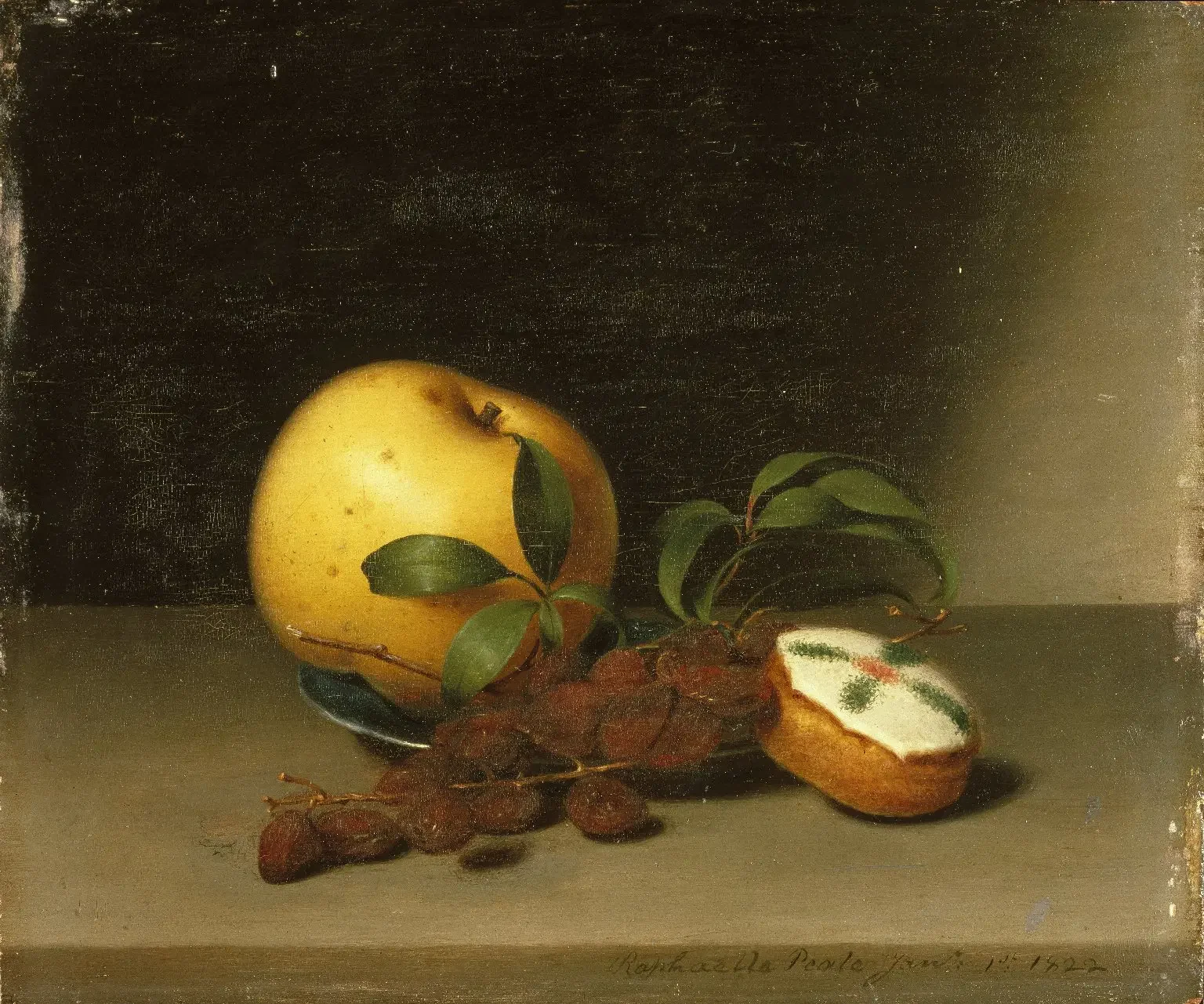
Permission (Art)
Raphaelle Peale — Still Life (18th century). American seriousness without aristocratic permission. The work earns its authority.
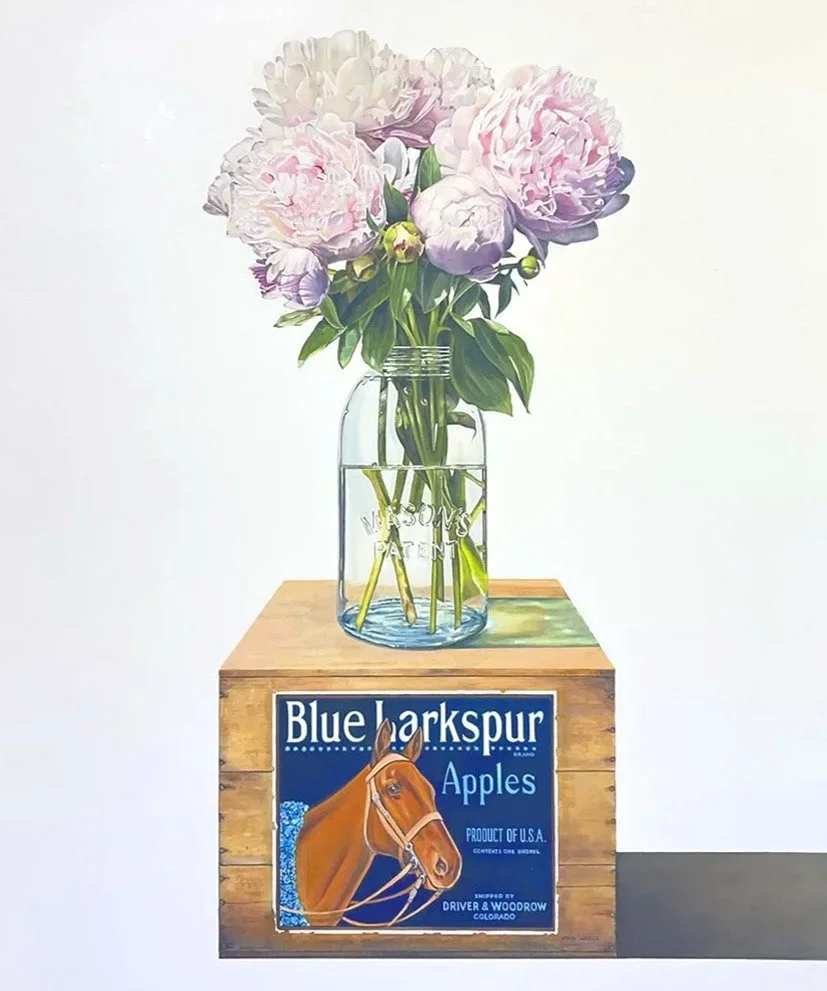
Objects as Evidence
American objects already contain extraordinary design intelligence

American form, perfected by time
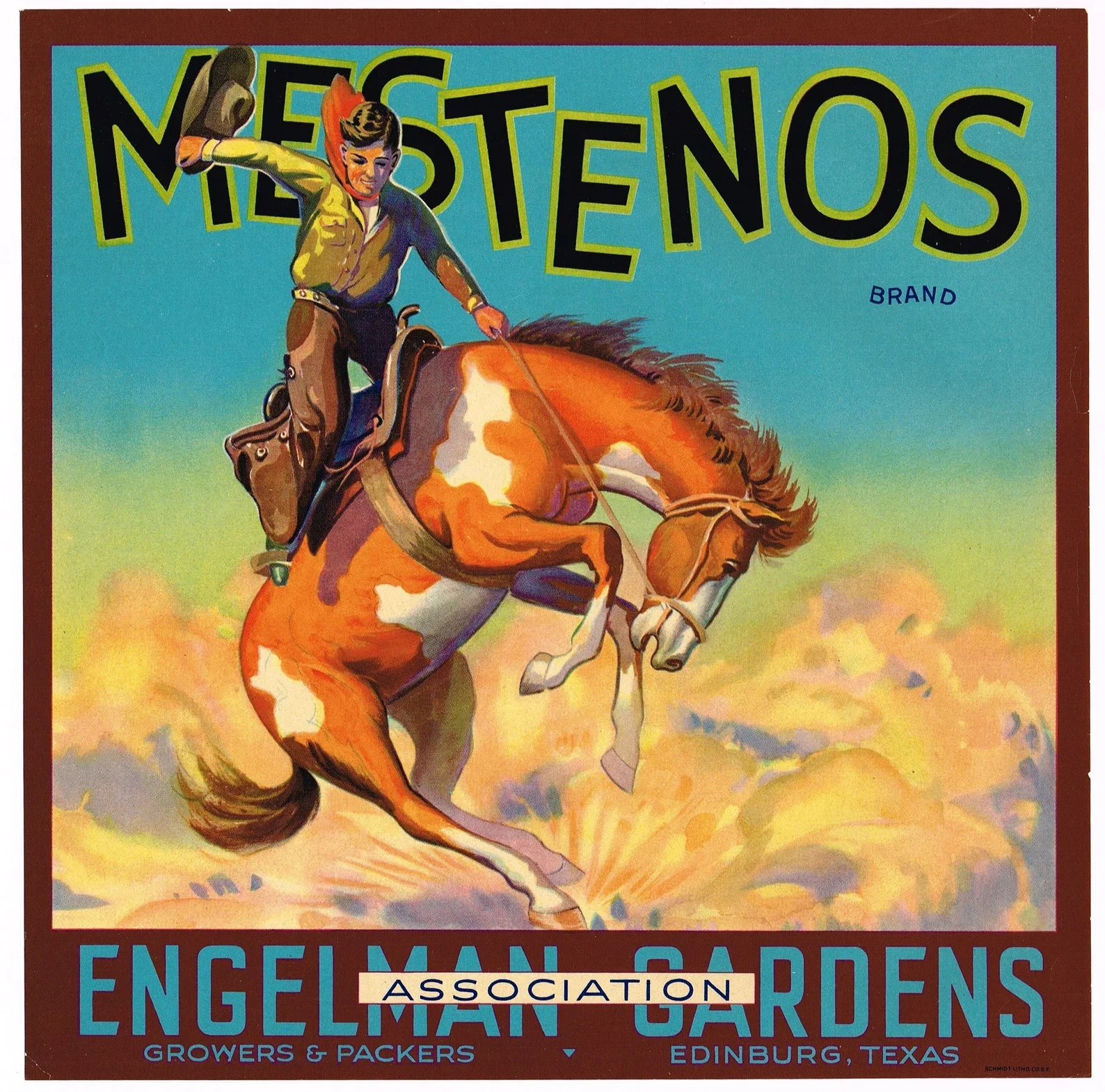
Commercial graphics with myth built-in
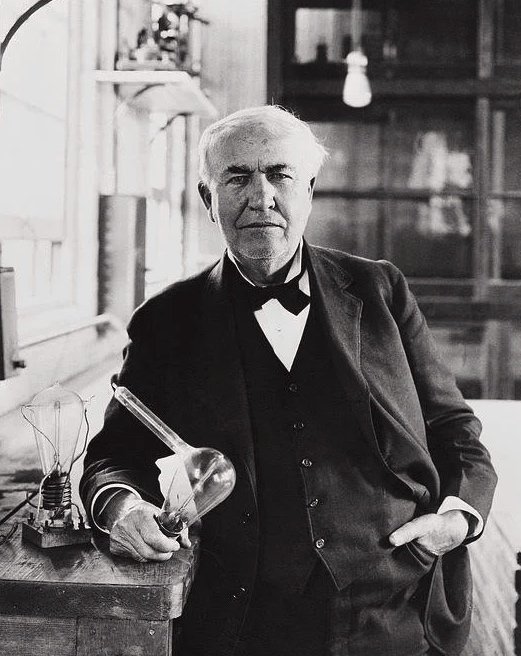
Reality over theory (Invention)
Thomas Edison — Menlo Park Laboratory. Empiricism. Iteration. Proof. Materials don’t lie.


Utility made iconic through honest design
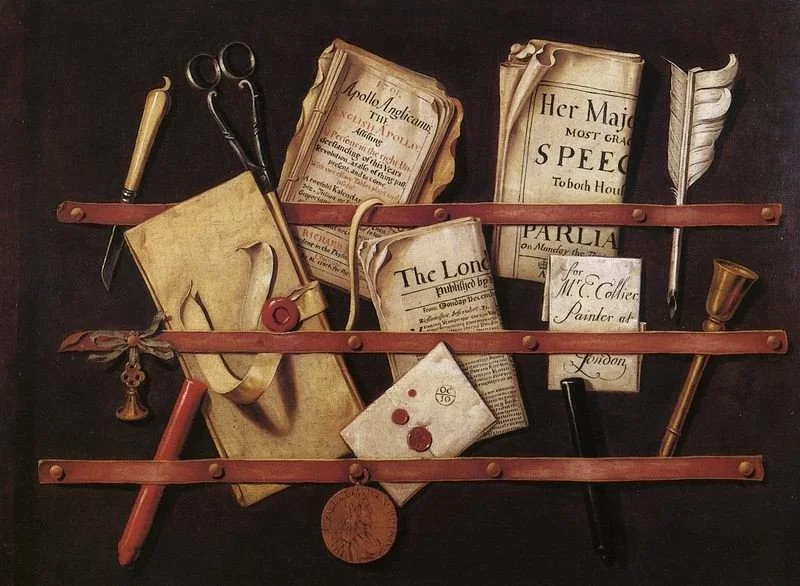
Attention (Art)
Trompe-l’oeil in the Harnett/Peto tradition (19th century). Optical discipline so precise it becomes truth-telling.
The ordinary as sacred (Contemporary Still Life)
John Woods — American Still Life.
Ordinary American objects made monumental through sustained attention and craft.
Ideas through objects (Invention)
Steve Jobs — Apple
Thinking made physical. An idea earns belief when it becomes craft, form, and function.
Ambition in scale (Architecture)
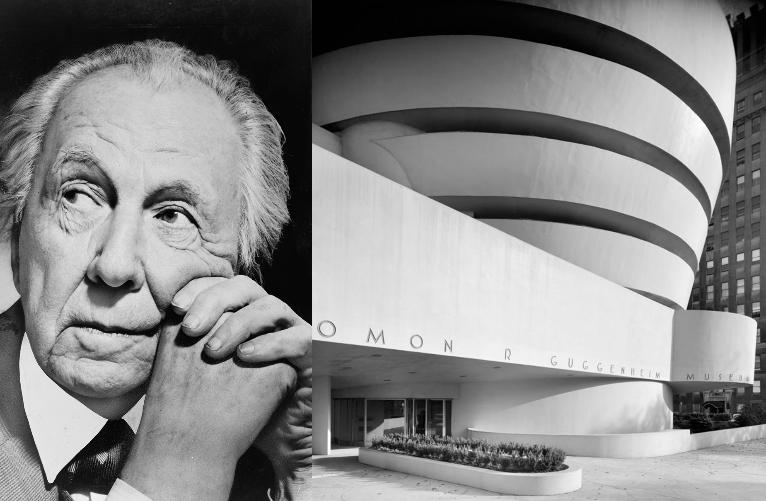
Frank Lloyd Wright — Guggenheim / Fallingwater
Ambition becomes a democratic declaration: the built world can be art.
5. Ideas through objects
Thinking made physical.
The painting isn’t illustration. It’s an argument made through form, craft, and optical precision.
6. Ambition in scale
Museum-scale isn’t reserved for kings.
Big work is a democratic declaration: this ordinary object deserves monumental attention because reality itself is monumental.
7. Conversation, not preservation
Tradition advances through reply, not repetition.
American still life isn’t a fixed tradition to copy — it’s an ongoing conversation to participate in. Each generation answers through subject choice, painterly decisions, and compositional intelligence.
8. Execution that scales
Repeatable excellence is a form of genius.
American invention isn’t just ideas — it’s systems, distribution, manufacturing, and operations that turn a breakthrough into a reliable standard.
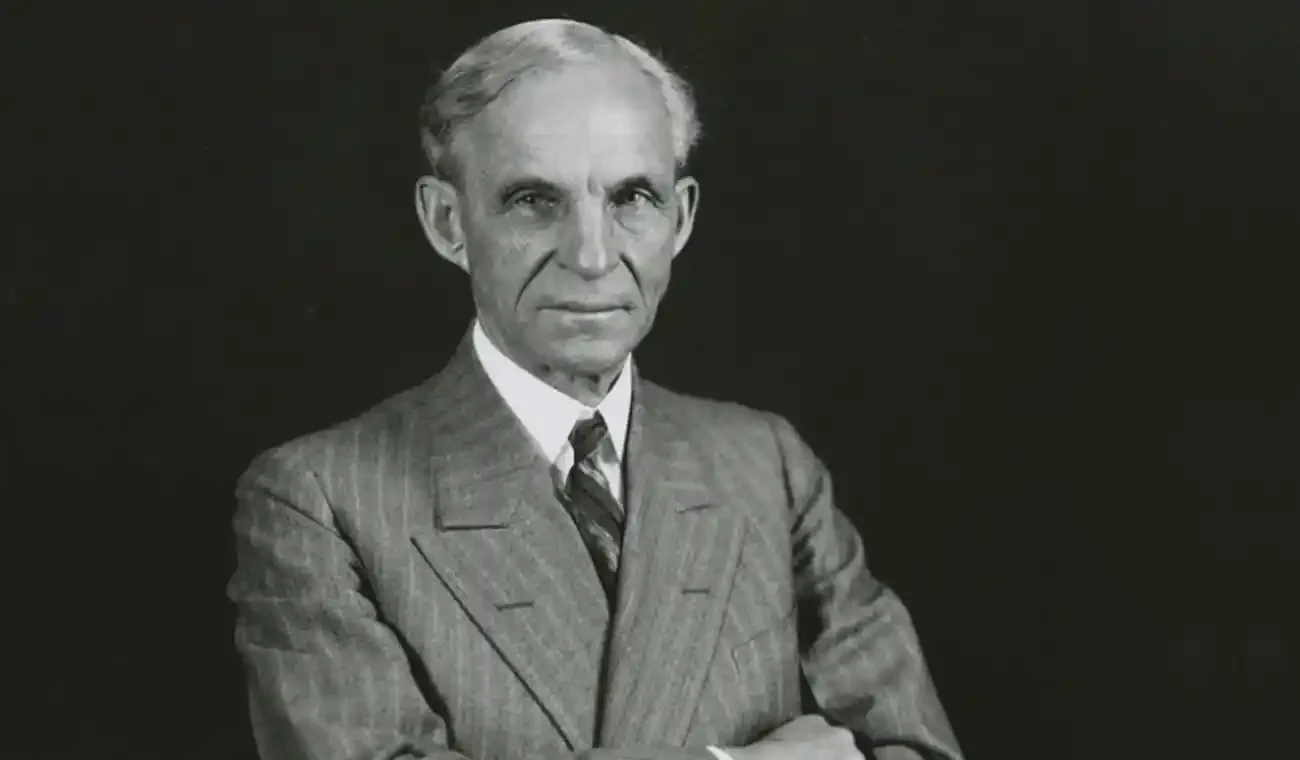
Execution that scales (Invention)
Henry Ford - the assembly line
Not just invention — execution. Making becomes repeatable excellence at scale.
Recovery (Now)
Recovery isn’t nostalgia. Nostalgia romanticizes the past. These principles aren’t historical artifacts — they’re operating rules for serious making, proven across 250 years and still true now. My paintings are contemporary objects built with that same method: permission, attention, craft, empiricism, ambition, conversation, and execution. The claim is simple: reality is still worth looking at carefully — because it still contains something worth seeing.
Further lineage: American Pragmatism (William James, John Dewey), Tocqueville’s account of the American practical mind, and Barbara Novak’s scholarship on 19th-century American art.
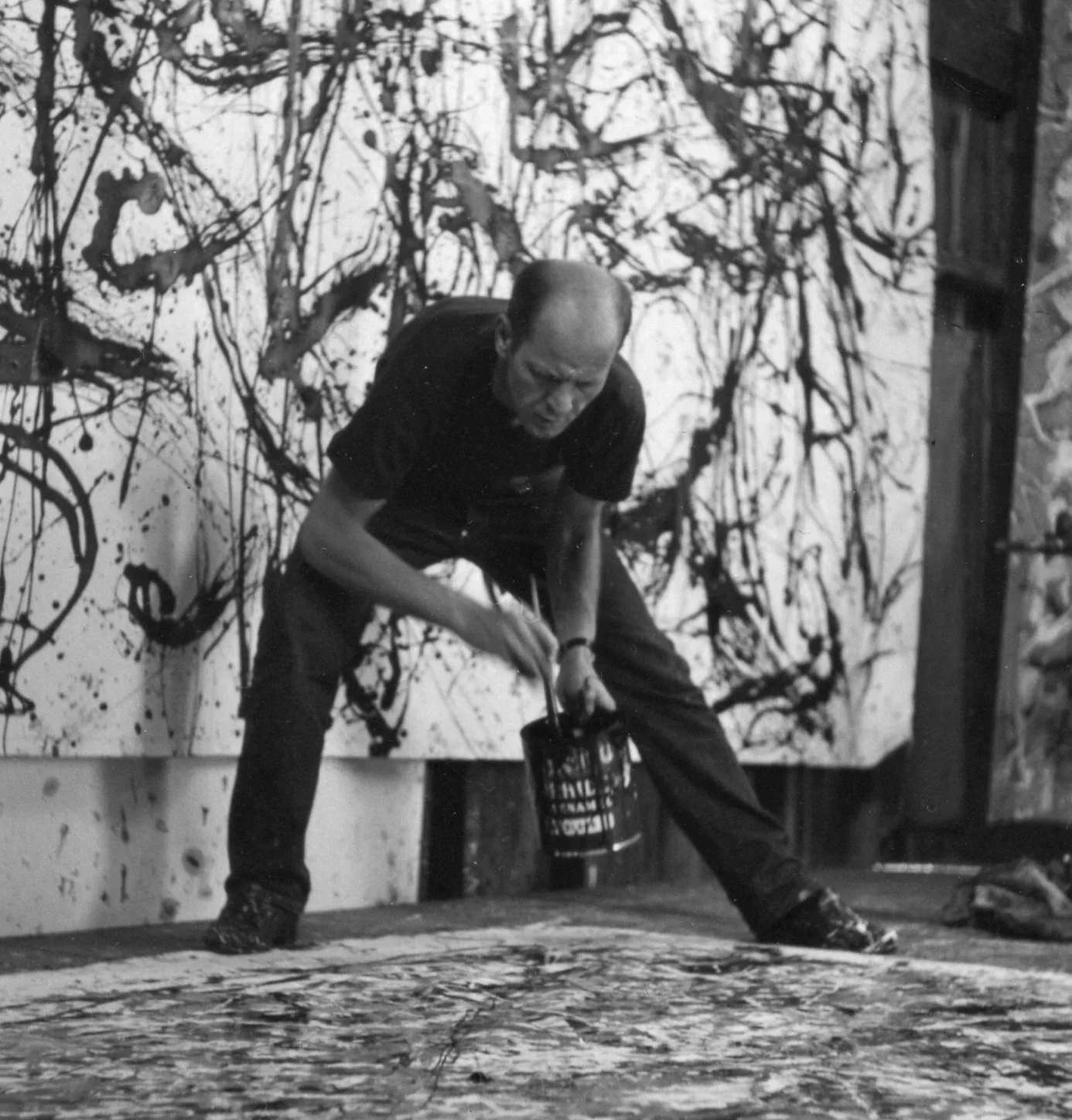
Conversation, not preservation (Art)
Jackson Pollock — In the studio
The tradition advances through risk, reply, and reinvention — not repetition.